
9 Signs That Your Students Truly Understand Competition in Ecosystems

Do you have students who are perfectly comfortable defining ecosystem competition but struggle to apply the concept to new scenarios?
In my classroom, that disconnect between knowing the definition and actually understanding the concept made me realize that I needed to develop a set of “look-fors” that could tell me if my students really got it.
These 9 signs give you practical ways to check for real understanding during lessons, notebooks, exit tickets, and short assessments.
What Competition in Ecosystems Means in Student-Friendly Language
In plain language, competition happens when living things need the same limited resource at the same time. That resource might be food, water, light, space, shelter, oxygen, nutrients, or mates.
Sometimes the competitors are the same species, like two deer looking for winter food. Other times they’re different species, like weeds and tomato plants drawing nutrients and soil from the same soil. Competition can be direct, such as birds defending a nest box, or indirect, such as oak trees shading younger plants below them.
Students often hear “competition” and picture a fight. But in ecosystems, plants compete. Algae compete. Rabbits and grasshoppers can compete without encountering each other.
It also helps to separate competition from other interactions. Predation means one organism eats another. Mutualism means both benefit. Cooperation means organisms work together.
If you want a clean student-friendly reference, K12 LibreTexts explains competition clearly.

Make Science Review More Engaging Without Adding Prep Time
Get a FREE mystery activity your students can solve in one class period.
Why It Matters to Check for Real Understanding
A memorized definition can sound solid but fall apart during real science analysis. Once students analyze a food web, read a graph, or write a CER response, shallow understanding shows up fast.
When students truly understand competition in ecosystems, they can explain population changes, discuss habitat limits, and support claims with evidence. As a result, their short answers get stronger, their lab talk gets sharper, and their reading comprehension improves.
If students can’t name the shared limited resource, they don’t fully understand the interaction.
9 Signs of Conceptual Understanding in Competition in Ecosystems

Quick Checklist for Assessing Understanding
This simple scale works in exit tickets, partner talk, notebooks, or short responses.
| Level | What you see |
|---|---|
| Beginning | Names examples, but can’t explain the resource or effect |
| Developing | Identifies competition, but mixes it up with predation or misses limitation |
| Proficient | Names the limited resource, explains the effect, and sorts same vs different species |
| Strong | Predicts changes, uses evidence, and applies the idea to new scenarios |
The fastest look-fors are resource named, limitation explained, interaction classified correctly, and outcome predicted. Generation Genius has some discussion questions that you might find helpful.
Common Misunderstandings to Watch For
Easy Examples and Analogies That Help Middle School Students
Classroom and Backyard Examples
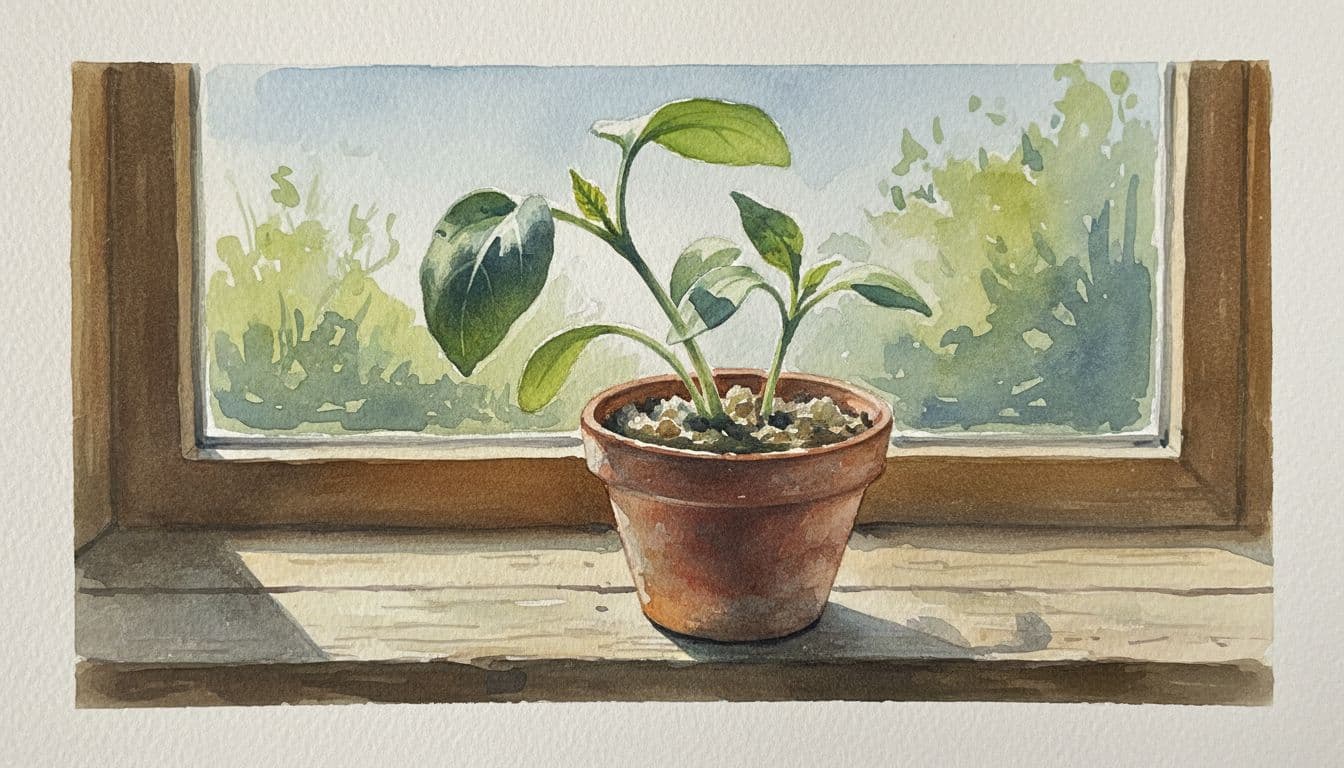
Use what students can see. Seedlings in one pot compete for light and water. Squirrels compete for nuts in fall. Birds compete for feeders and nest boxes. Weeds compete with garden vegetables.
Ecosystem Examples by Habitat
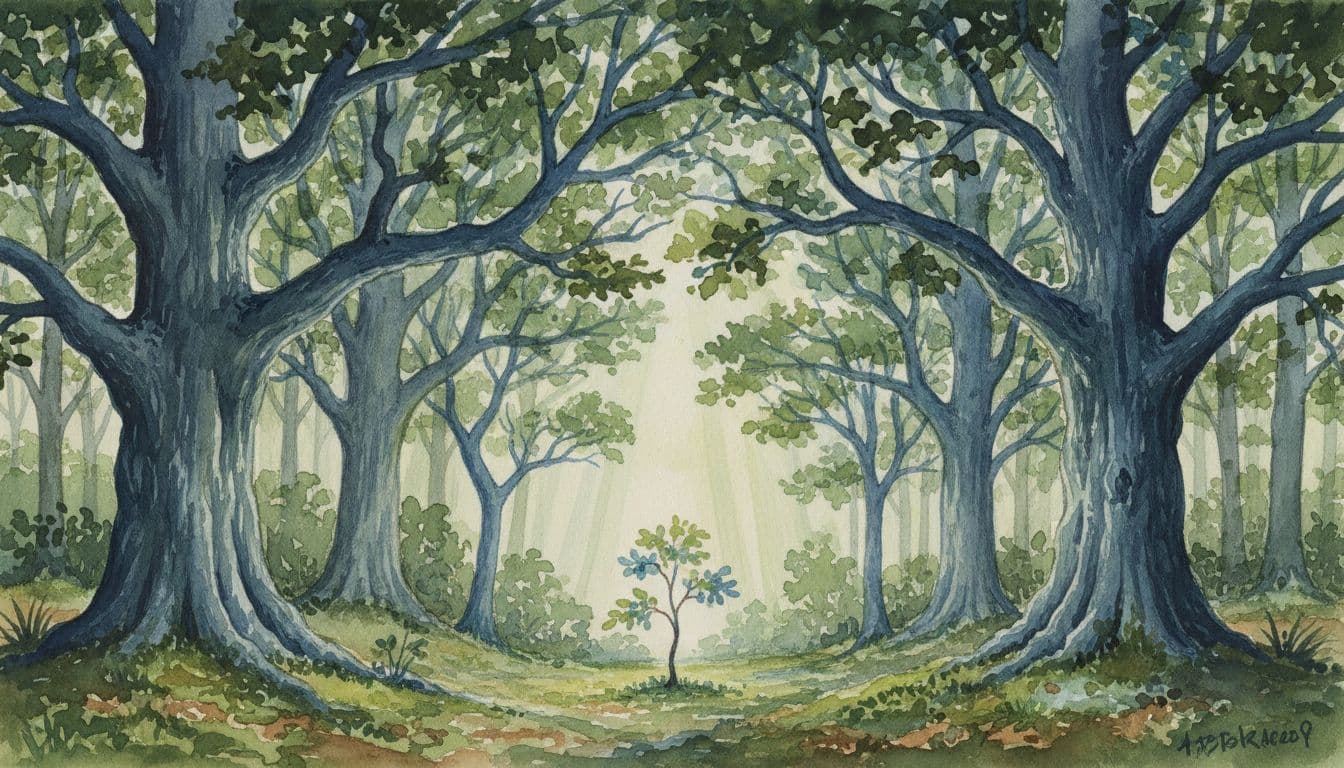
In forests, trees compete for sunlight and shelter space. In ponds, fish compete for food and oxygen. In deserts, plants compete for water. In grasslands, grazers compete for grasses while predators compete for prey.
Helpful Analogies, Used Carefully
A few students competing for the last open seats.. Shoppers reaching for the last few items on a shelf. Try these, then bring it back to ecosystems right away, because the key is still shared, limited resources.
How to Reinforce Concepts Through Low-Prep Instruction
Discussion Prompts That Reveal Real Understanding
Ask simple, sharp questions: What resource is limited here? Are these organisms the same species? How would the population change if the resource shrank? Is this competition, predation, or something else?
Simple Activities for Teachers and Homeschoolers
Card sorts, photo analysis, crowded-versus-uncrowded plant setups, and quick scenario stations all work well. If you want ready-made practice, try my low-prep Middle School Ecosystems Activity Bundle.
Writing Tasks That Go Beyond Definitions
Short writing activities can reveal weak spots quickly. Try a CER paragraph, a compare-and-contrast response on competition versus predation, or a short graph analysis focused on a changing resource.
Take-Aways
Real understanding shows up when students can name the limited resource, explain what changes because of it, and apply the idea beyond a memorized example. That’s the difference between recall and science thinking.
Use these 9 signs as a quick observation tool during lessons, labs, notebook checks, and assessments. When you listen for explanation instead of vocabulary alone, competition in ecosystems becomes much easier to teach and much easier to assess.
Frequently Asked Questions About Competition in Ecosystems


